
What a Great Designer–Client Partnership Really Looks Like from a Designer’s Perspective
Designing a home is deeply personal. It’s an investment of time, trust, and resources, and when done well, it becomes one of the most rewarding experiences a homeowner can have. I believe exceptional design doesn’t happen by accident. It happens when the right designer and the right client come together in a grounded, respectful, and collaborative partnership.
Here’s what that relationship looks like and why it matters.
1. Start Grounded. Stay Open.
Every successful project begins with mindset. The most rewarding renovation or custom build comes from grounded and open-minded thinking, and trusting the process. Great design is not about rushing decisions or chasing trends—it’s about thoughtful planning, clear priorities, and informed choices.
When clients and designers approach a project as partners, everything changes. Communication improves. Stress decreases. Creativity flourishes. I love when our clients are curious, collaborative, and invested in building something meaningful together.
2. Trust the Process, That’s Why You Hired a Designer
Hiring a designer isn’t just about selecting paint colors or furniture. It’s about engaging a professional to curate and manage a complete process from start to finish. From coordinating with contractors and architects, to selecting plumbing fixtures, lighting, finishes, furnishings, and textiles—every decision is connected. A well-run design process brings clarity instead of confusion. It creates order, not overwhelm.
When you work with a designer you trust, you gain:
A clear roadmap
Fewer costly mistakes
Better long-term results
A calmer renovation experience
Our role is to hold the big picture while guiding you through the details, so you don’t have to manage everything alone.

3. Your Designer Should Always Have Your Best Interests at Heart
A strong designer-client relationship is built on integrity. Your designer should be asking critical questions on your behalf:
Is this product truly well made?
Does this price reflect its quality?
Does this align with your long-term lifestyle?
Does it fit your budget expectations?
A good designer doesn’t simply present options, they educate, advise, and advocate. That means being transparent about costs, realistic about timelines, and honest about trade-offs. It means helping you understand what different price points actually deliver, so you can make confident, informed decisions. Our responsibility is to protect both your investment and your vision. As an interior designer in Montana, I work with many families managing their renovations remotely. Having a local advocate you trust is priceless!
4. Clear Phases. Clear Communication. No Guesswork.
Great design isn’t improvised, it’s structured. Every successful project moves through thoughtful phases:
Planning
Concept development
Detailed design
Procurement
Installation
Final styling
Throughout each stage, communication is essential. A professional designer should consistently keep you informed about:
Timeline
Budget
Progress
Adjustments
Trade coordination
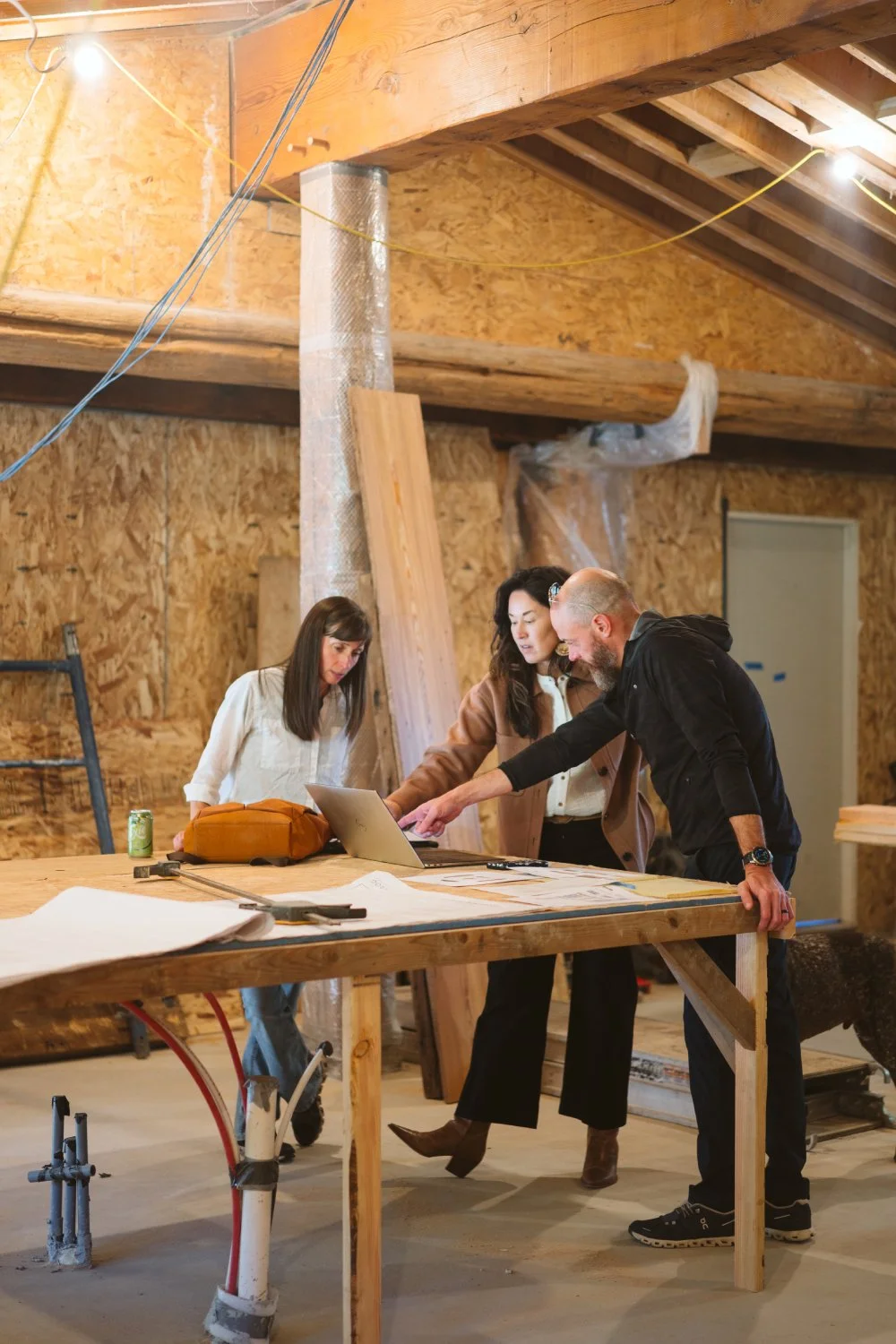
Equally important, your designer should act as the bridge between you and the many professionals involved—builders, subcontractors, vendors, and installers so that information flows clearly and accurately.
When communication is strong, surprises are minimized. Expectations are managed. Trust is reinforced.
The Result: A Calm, Confident Design Experience
When both client and designer show up with respect, openness, and professionalism, something powerful happens.
The process becomes:
More enjoyable
More efficient
More creative
More successful
You feel supported. Decisions feel clearer. The result looks and feels intentional.
At DesignHouse, we don’t just design beautiful interiors, we build lasting relationships. We guide, protect, educate, and collaborate so that your home reflects not only great design, but a great experience. Because the best projects aren’t just well-designed—they’re well-partnered.
-Kiyomi
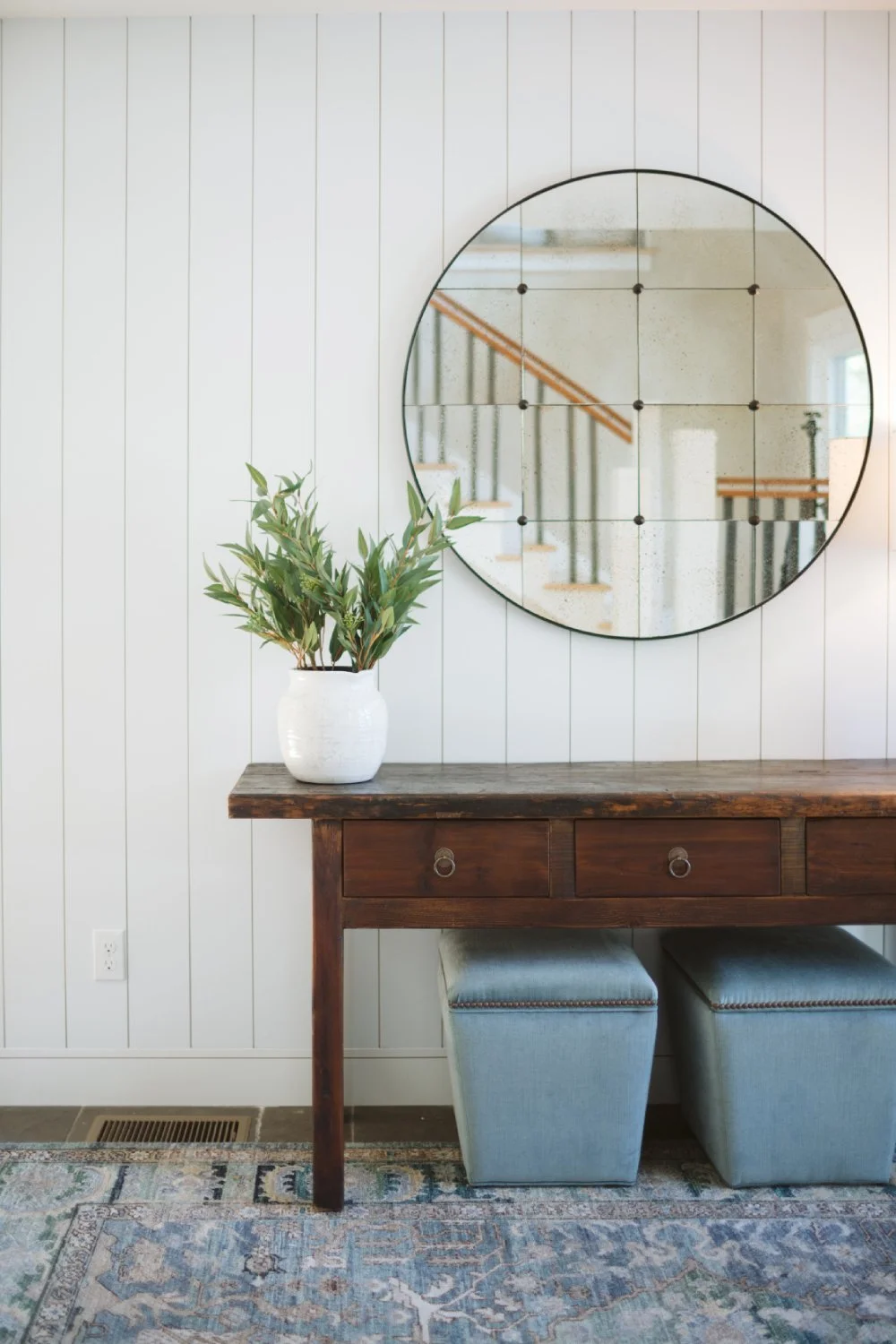
The entry way at Red Barn Farmhouse in Bridger Canyon, Montana